Few drinks capture the spirit of Italy’s early evening ritual like the Spritz. Bright, bubbly, low-alcohol, and effortlessly stylish, the Spritz is more than a cocktail, it’s a social glue that gathers friends around small plates and golden-hour conversations. Two stars lead the show: the timeless Aperol Spritz and its alpine cousin, the Hugo Spritz. Here’s your complete guide.
What is an Italian Spritz? The culture of the aperitivo
A Spritz is a light, sparkling cocktail built on three pillars: a bitter or herbal liqueur, Prosecco, and soda water. Served over ice with fresh garnish, it’s designed for the aperitivo, the Italian pre-dinner moment when you “open” the appetite. From Venice to Milan, you’ll see Spritzes arrive with a small spread: olives, crisps, taralli, mini tramezzini, or regional bites. The emphasis is on ease: low proof, bright flavors, and conversation first.
Ready to dive deeper into the ritual? Find out everything about the italian aperitivo tradition in Milan.
Aperol Spritz: history, ingredients and the classic recipe
The Aperol Spritz traces its roots to the Veneto. Aperol itself was created in 1919 in Padua by the Barbieri brothers. The modern Spritz, popularized globally in the 2000s, blends Aperol’s bittersweet orange and gentian notes with Prosecco’s fizz for a perfectly refreshing balance.
Classic recipe (3-2-1 method):
- 3 parts Prosecco (well-chilled)
- 2 parts Aperol
- 1 part soda water
- Ice cubes
- Orange slice for garnish
Method: fill a large wine glass with ice. Add Prosecco, then Aperol, then a splash of soda. Stir gently to integrate without killing the bubbles. Garnish with an orange slice. Tip: Build Prosecco first to reduce foaming and keep the drink crisp, not flat or overly sweet.

Hugo Spritz: origins and classic recipe
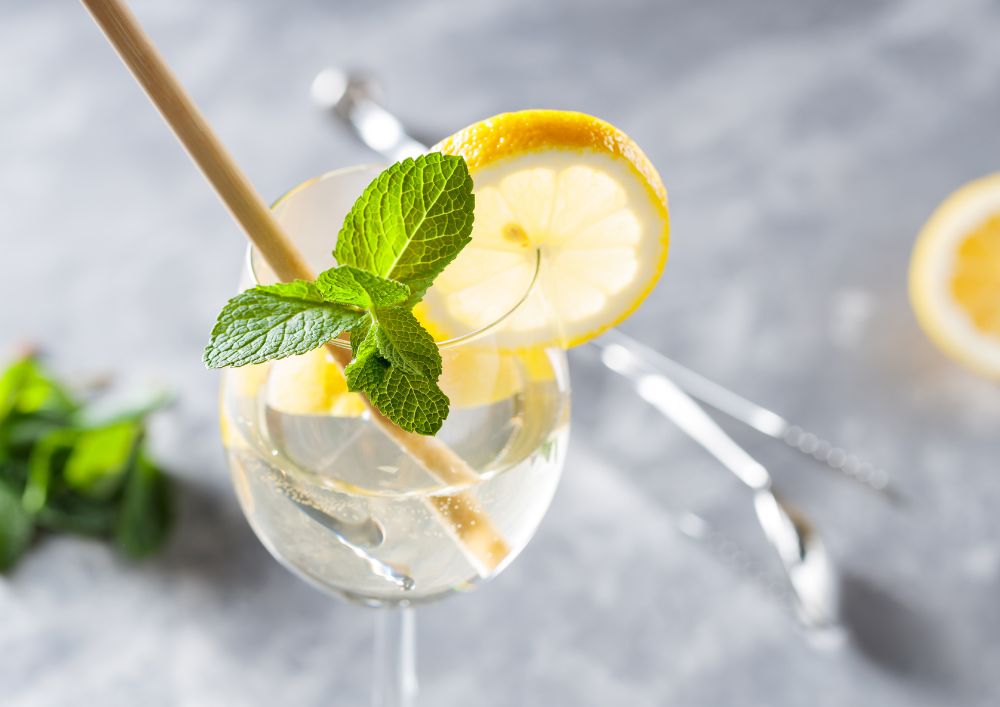
Born in South Tyrol (Alto Adige) in the late 2000s, the Hugo Spritz (pronounced “OO-go”) swaps bitterness for alpine aromatics. It typically features elderflower liqueur (like St‑Germain), mint, and lime, light, floral, and incredibly refreshing.
Classic recipe:
- 3 parts Prosecco (chilled)
- 2 parts elderflower liqueur
- 1 part soda water
- Fresh mint leaves
- 1–2 lime wheels
- Ice cubes
Method: lightly press (don’t muddle to a paste) a few mint leaves in the glass to release aroma. Add ice, Prosecco, elderflower liqueur, and soda. Slip in lime wheels. Give a gentle stir. Optional: a cucumber ribbon or a splash of tonic for a drier profile.
Aperol Spritz vs Hugo Spritz: what’s the difference?
- Flavor profile
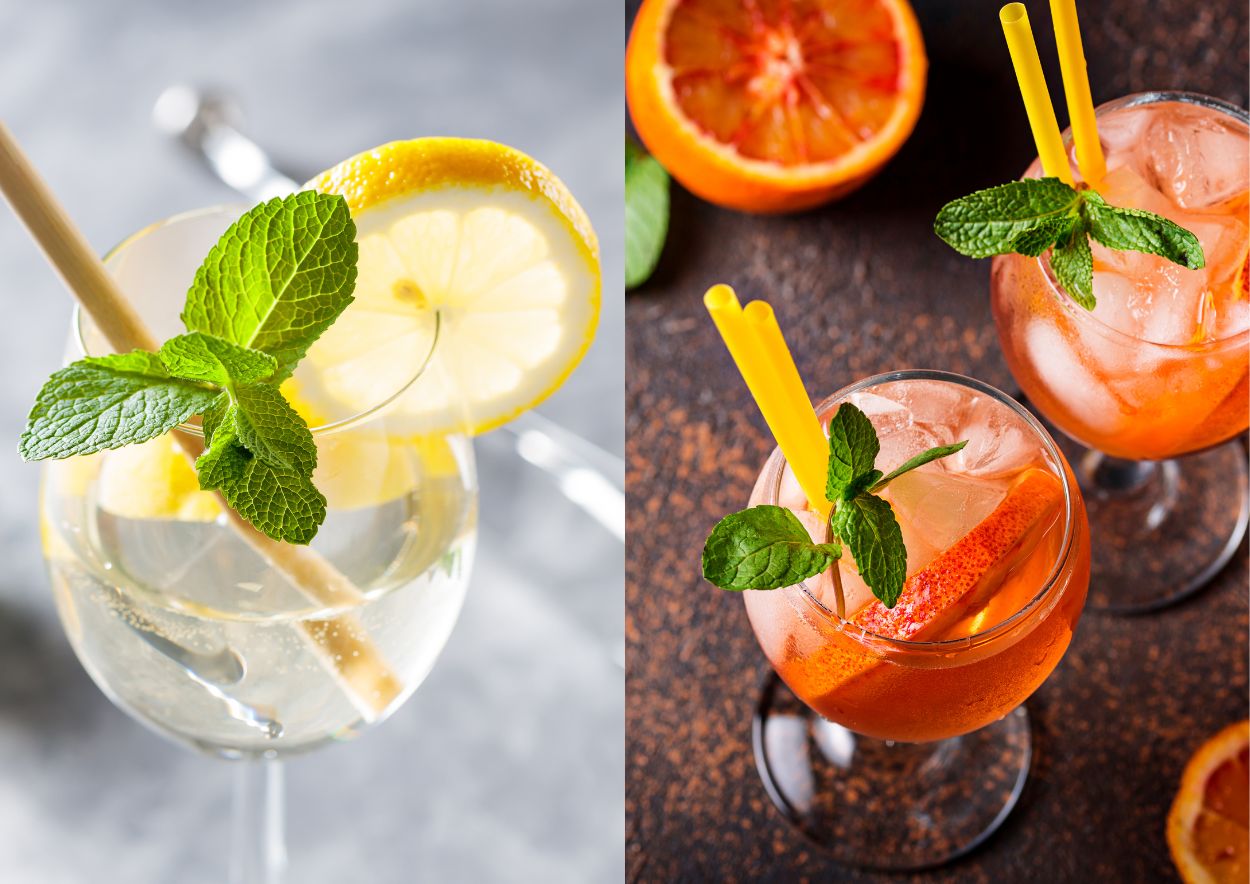
Aperol is bittersweet and citrus-forward; Hugo is floral, minty, and lightly citrusy.
- Aroma
Aperol leans orange peel and rhubarb; Hugo blooms with elderflower and fresh mint.
- Sweetness
Aperol Spritz is balanced but can read slightly bitter; Hugo tends to taste a touch sweeter (adjust with extra soda or a drier Prosecco).
- Color and vibe
Aperol is sunset-orange and iconic on Italian piazzas; Hugo is pale, green-tinged, and feels alpine-fresh.
- Food pairing
Aperol pairs well with salty, fried, and savory bites; Hugo shines with fresh cheeses, cured fish, and herb-forward snacks.
How to order an Aperol Spritz in Italian (and what to expect)
- “Un Aperol Spritz, per favore.”
- If you want it less sweet: “Con poco Aperol, grazie,” or “Più secco, grazie.”
- If you prefer no garnish: “Senza arancia, grazie.”
What to expect: A large wine glass packed with ice, the signature orange hue, and a slice of orange. In many bars, especially in northern cities, you’ll receive small aperitivo snacks (called stuzzichini). In Venice, you might be offered local bitter alternatives like Select or Campari if you ask for “uno spritz” without specifying.
The Italian aperitivo experience: more than just a cocktail
Aperitivo is a time window (roughly 6–8 pm) and a social ritual. The drink is only the start:
- Atmosphere
Standing at the counter or spilling into the piazza, it’s casual, lively, and unhurried. - Nibbles
Salty and simple to spark appetite, chips, olives, lupini beans, bruschette, or regionally themed spreads. - Pace
Low-alcohol cocktails encourage conversation, not inebriation. One or two drinks over an hour is typical. - Regional flair
In Venice, cicchetti bars are king; in Milan, you might find a more curated aperitivo buffet or small plates.
Italian Spritz: everything you need to know about. FAQ
Still have questions about Italian Spritz? From the difference between Aperol and Hugo to what to order at a bar in Venice, here are the most common curiosities answered.
Is Hugo Spritz originally Italian?
Yes. The Hugo was created in South Tyrol (Alto Adige), a bilingual alpine region in northern Italy with strong Austrian cultural influences.
What is an Italian Spritz?
A low-alcohol sparkling cocktail mixing a bitter or herbal liqueur with Prosecco and soda, served over ice, quintessential for aperitivo.
Can you make Aperol Spritz without Prosecco?
Yes. Use another dry sparkling wine (e.g., a dry spumante) or go “spritz-ish” with still white wine plus extra soda for bubbles, though the classic calls for Prosecco.
What food pairs well with Spritz?
Aperol Spritz: salted crisps, green olives, fried seafood, arancini, salumi, aged cheeses, pizzette.
Hugo Spritz: fresh mozzarella or burrata, prosciutto e melone, smoked trout, marinated vegetables, herb focaccia.
A final tip: use plenty of fresh ice and a dry, well-chilled Prosecco. Gentle stirring preserves bubbles, and small tweaks, extra soda for dryness, a lemon twist in Hugo for lift, let you tailor each Spritz to your taste while keeping its Italian soul.
In every Spritz there’s a slice of Italy: unhurried time, lively chatter, golden light, and little moments of joy.
Whether Aperol or Hugo, aperitivo is an invitation to be together, simple, elegant, and deeply Italian.