Milan offers a fantastic opportunity for anyone with an interest in art, architecture, design, fashion, music, and more to discover Italian culture. In addition to well known tourist attractions as the Duomo, the Galleria Vittorio Emanuele II, and the Castello Sforzesco, you can also choose focused tours of Roman, Medieval, Renaissance, and Napoleonic history according to your tastes and interests. Cosmopolitan, international and elegant, Milan is a very lively city: you have a wide range of selection for museums, hangouts, restaurants, pizzerias, cafes, theaters. It is a small and unassuming city, easy to explore in any season by public transport, bicycle or on foot but that requires a “mole”.
What is Milan best known for?
If we asked this question to a tourist, the answer would surely be fashion, shopping, La Scala Theater, the Duomo, and the Last Supper but Milan is much more!
Milan points of interest
I enjoy drawing an itinerary that includes the best known and less famous places points of interest: the Pinacoteca di Brera with its bohemian district, the church of Santa Maria delle Grazie with Leonardo da Vinci’s Last Supper, a stroll on top of the Duomo or the Galleria Vittorio Emanuele II. We will delve into the streets of Milan to discover hidden treasures such as the church of Santa Maria presso San Satiro or Il Tumbùn (Chiusa Leonardesca) and the Darsena (the harbor) of Porta Ticinese, now a lively neighborhood full of restaurants, pubs and cafes.
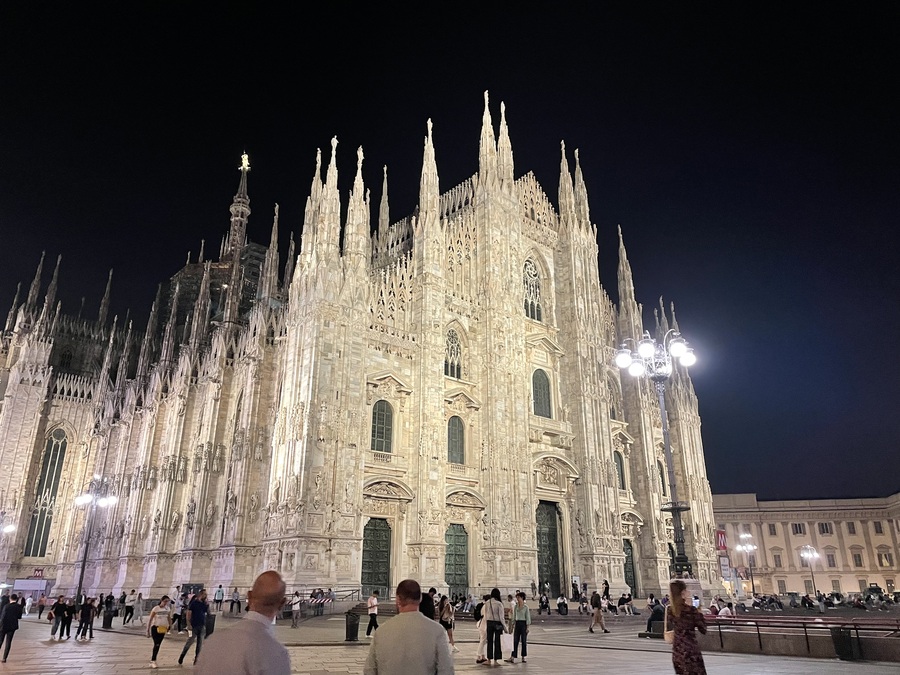
Milan is a city best experienced through its language, from the buzz of the Navigli to the elegance of the Brera district, every corner invites you to connect more deeply with Italian culture. If you want to make the most of your visit, why not Learn Italian in Italy and experience the city like a true local?
Pinacoteca di Brera and Brera district
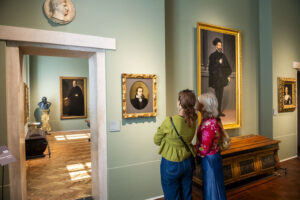
The Pinacoteca is the first museum in Milan and one of the most important art museums in the world. The size and tenure of this museum can be overwhelming therefore if you have little time or specific interests you can “skip” some parts to focus only on the masterpieces (Mantegna, Pier della Francesca, Caravaggio, Bellini, Raphael, Hayez, Boccioni, etc.). The entire palace, which houses the Academy, the Library, the Botanical Garden and the Astronomical Observatory, a veritable cultural center commissioned by Maria Theresa of Austria and later perfected by Napoleon Bonaparte, is definitely interesting. Outside you cannot miss the bohemian district with Via Brera, Via Fiori Chiari, Fiori Scuri, Via Madonnina, Via Solferino and Via San Marco (for the Milanese, the Tumbùn with Leonardo’s locks in the Conca dell’Incoronata). These are very characteristic pedestrian streets, full of tourists and students, art galleries, boutiques and taverns.
La Scala Theater
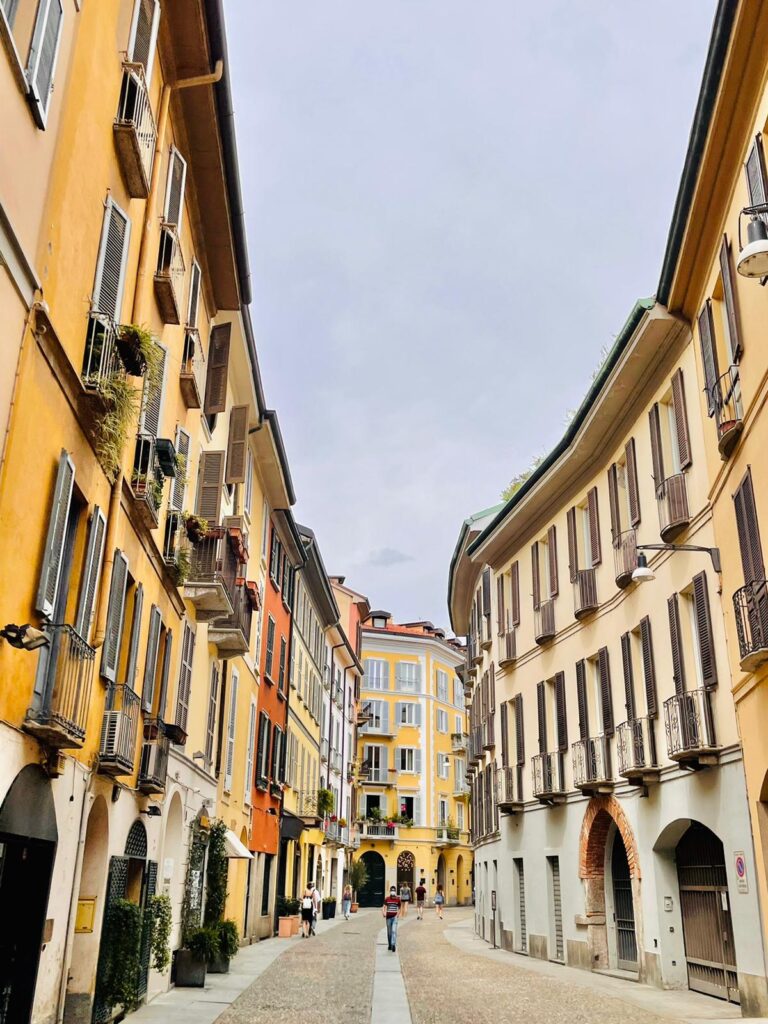
From Via Brera you arrive at Piazza della Scala with its famous Theater and Museum. Teatro alla Scala (La Scala for the Milanese) is one of the most famous theaters in the world and a must-see destination for classical music lovers. Attending a performance at Teatro alla Scala is a unique experience: the feel, the acoustics, the colors, the crystals of the central chandelier…
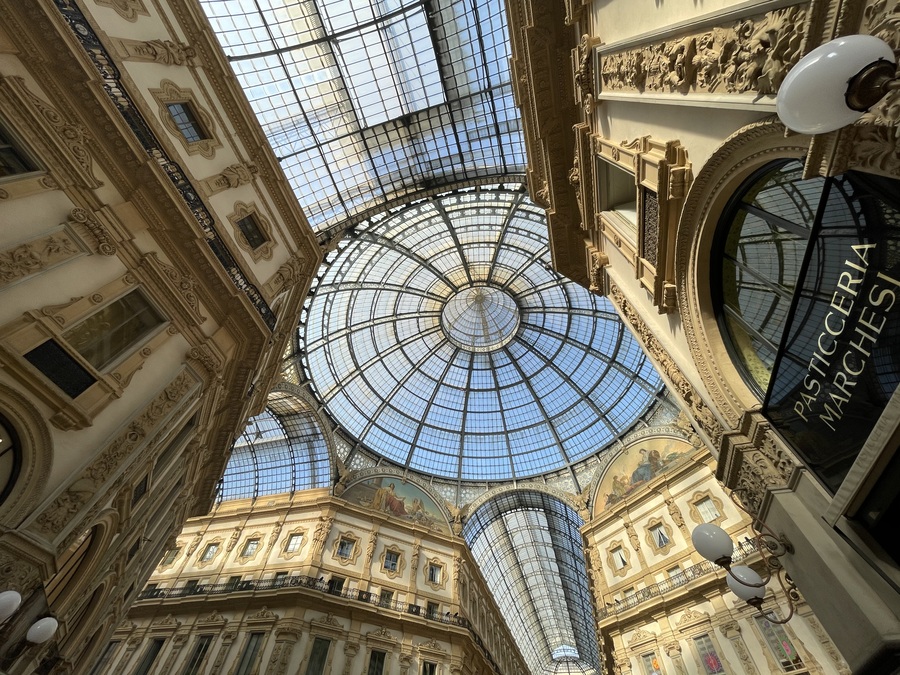
Piazza della Scala leads to the Galleria Vittorio Emanuele II with its famous brand boutiques and stores. The 19th-century gallery, with its mosaic floors and stained-glass windows, is the oldest shopping center in Italy. It is for everyone, tourists and Milanese alike, also an essential meeting place or passage. In the last few years it has been possible to visit it from above and thus walk through walkways placed on the crystal roofs.
Cathedral, Piazza Duomo and Galleria Vittorio Emanuele
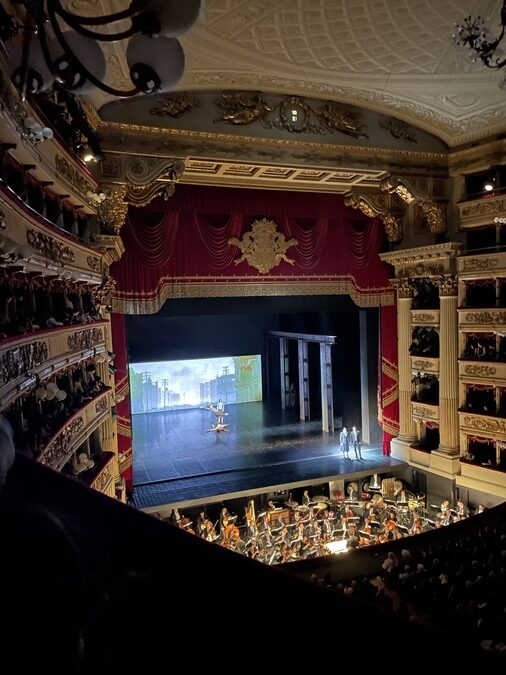
The Vittorio Emanuele Gallery ends up into the crowded Piazza Duomo. The Duomo of Milan is the most visited building in the city. Its history is extremely interesting (the Gothic interior and neo-Gothic exterior finished only in the 1960s), as many as 6 centuries of construction and history. The Duomo is also the largest Gothic building in the world on whose roof it is possible to walk. The underground also holds surprises: at a depth of 4 meters there are remains of churches, early Christian baptistery and Roman roads. We are in the real heart of Milan, indeed of ancient Mediolanum.
Museo del Novecento and Palazzo Reale
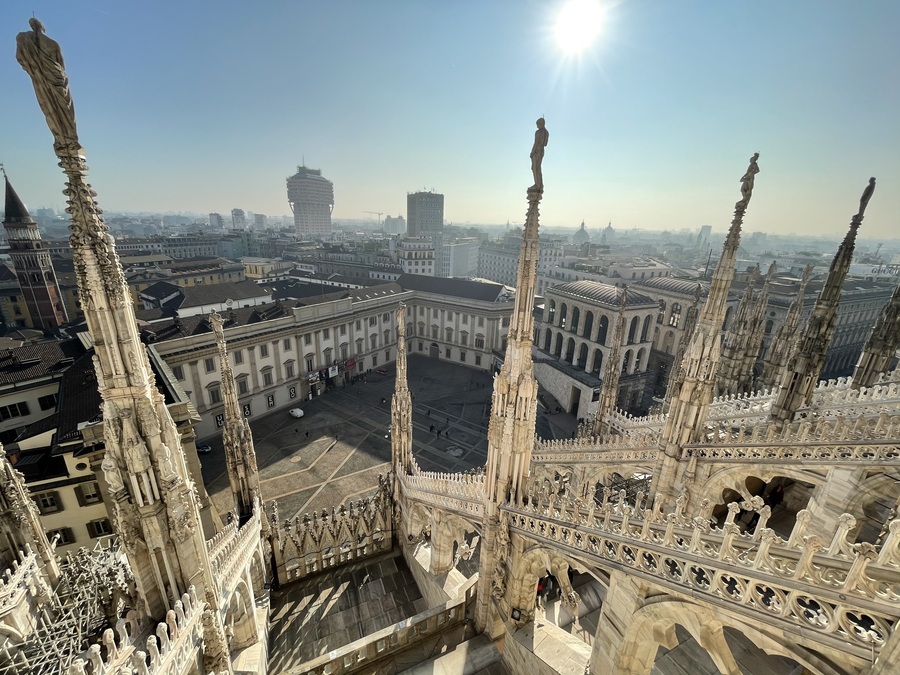
These museums are located in Piazza Duomo. Two museums for art lovers. The former hosts one of the most important collections of 20th-century Italian art: Boccioni, Carrà, Morandi, de Chirico, Arturo Martini, Piero Manzoni.
Palazzo Reale is a masterpiece of neoclassical architecture and hosts Milan’s most important art exhibits which require prior reservation to control the number of visitors.
Università degli Studi di Milano
From the cluttered and noisy crowds of Piazza del Duomo, if we turn the corner, we move on to the genuine and lively ambience of a place little known to tourists: the University of Milan. The building, one of the grandest and most innovative monuments of the Italian Renaissance, was commissioned by the Duke of Milan Francesco Sforza in 1456 as a public hospital to provide care for the indigents. This was called the Spedale di Poveri, the Ospedale Maggiore, also known as Ca’ Granda. After the severe bombing of ’43, it has been the headquarters of the humanities faculties of the State University of Milan. Access is free, you can enter the courtyards passing from one cloister to another admiring the wonderful terracotta decorations. It is also a lovely exhibition center during Design Week and Salone del Mobile.
Would you like to get to know the most authentic Milan? Read the article dedicated to the Milan Market.
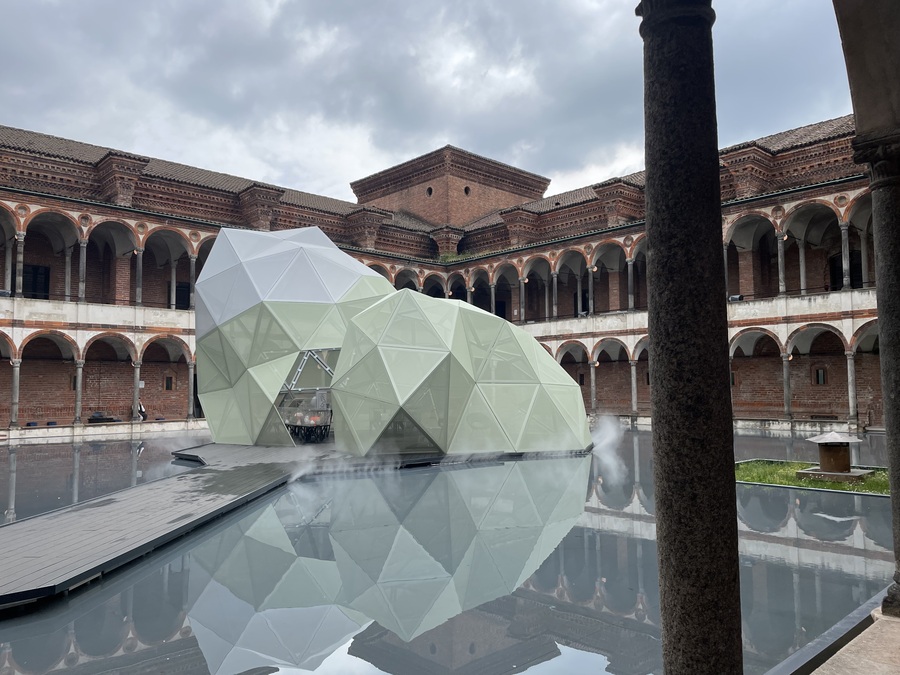
Pinacoteca Ambrosiana
We are just a stone’s throw from the Duomo. If you love art and don’t have a lot of time this is the place to be. With its Library, which holds Leonardo da Vinci’s Codex Atlanticus, the Pinacoteca holds a number of masterpieces: the wonderful preparatory cartoon for Raphael’s School of Athens fresco (the fresco is located in the Stanza della Segnatura in the Vatican Museums), paintings by Jan Brueghel, Bernardino Luini, Caravaggio, Leonardo, Botticelli, Titian and many others.
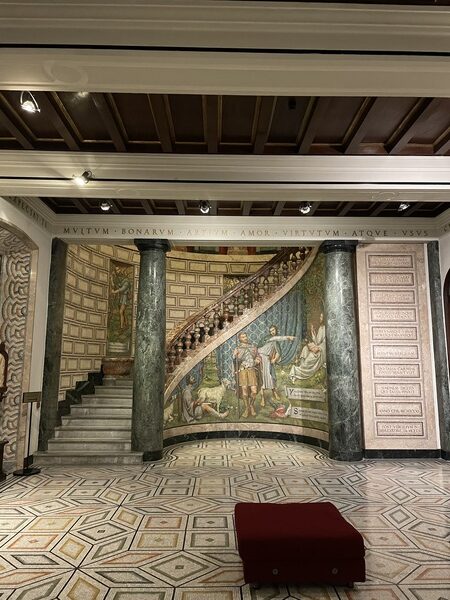
Crypt of San Sepolcro
The striking crypt is located at the back of the Pinacoteca Ambrosiana. The underground church was built at the time of the Crusades, after the reconquest of Jerusalem in 1100. We are in the heart of ancient Mediolanum, underground, right on the pavement of the ancient Roman forum. This is one of the very rare guided tours that I recommend; I went with an American student, by lantern light. It was a much appreciated and unusual visit where we were able to admire the starry sky on the vaults of the presbytery and the beautiful decorations on the columns cuppings, breathing an air of magic and legend.
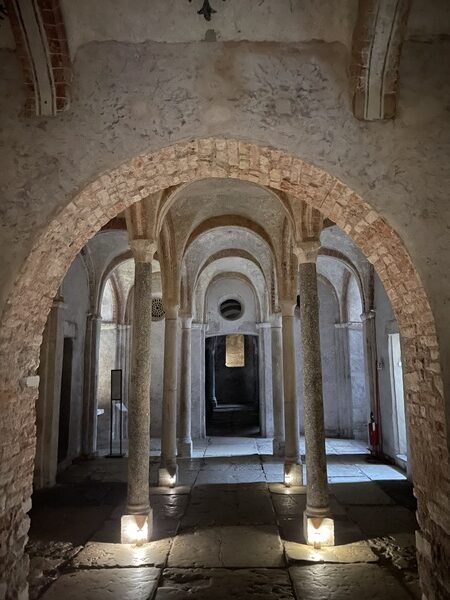
San Maurizio Church at Monastero Maggiore
Also called “The Sistine Chapel of Milan”, this Renaissance church is right in the center of town but is off the tourist circuit. The interior of the church, whose facade goes almost unnoticed, is a riot of paintings, stucco and frescoes in different colors: gold, blue, red. A real surprise for the visitor. You are welcomed by volunteers from the Italian Touring Club; they are not tour guides but they are kind and knowledgeable.
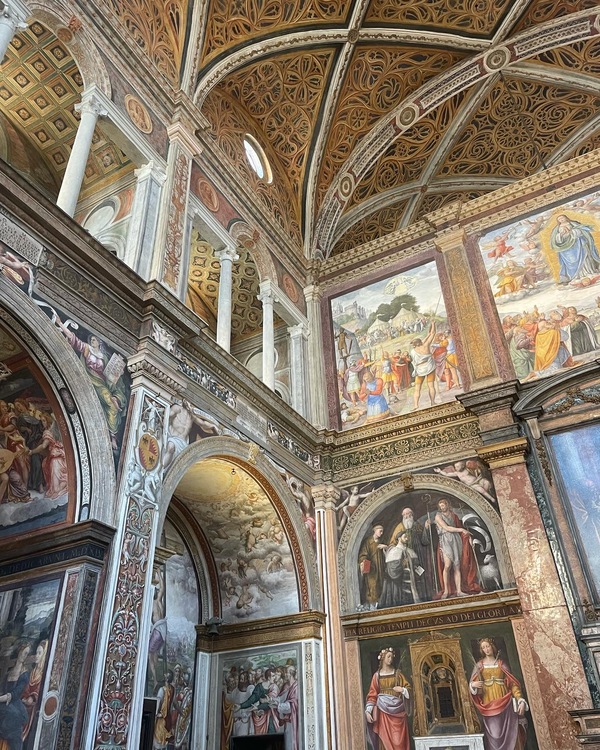
Santa Maria delle Grazie and Cenacolo Vinciano
Along with the Duomo is perhaps the most visited monument. The basilica, built in 1463, is a real jewel of the Lombard Renaissance. Its cloisters, wonderful dome and tribune bear the signature of Bramante. You can admire the geometries, the colors and the silence of the cloisters. In the refectory of the adjoining Dominican convent Leonardo da Vinci painted The Last Supper. The visit engages you in an emotional journey: every brushstroke, every gesture, every expression of the figures of the fresco tell the visitor about the “motions of the soul,” the emotions of the apostles. It is important to know that this site requires a reservation with large advance.
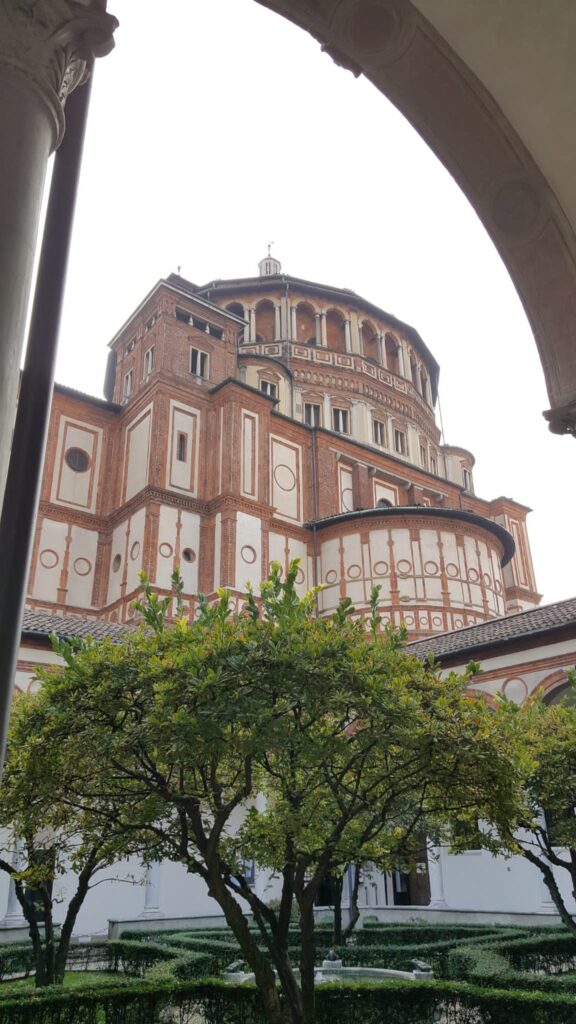
Castello Sforzesco, Sempione Park and Arco della Pace
The Castle is a place of culture (libraries, galleries, museums, courtyards, towers) but also of leisure thanks to the presence of the Park, one the city’s biggest park. The walkways connecting the various towers, from which the city can be admired from above, is a very interesting tour. The Castle, like the park, constitutes a tourist stop but is also the gathering place for the Milanese on Sundays. Inside the park is the Triennale Museum with De Chirico’s “Mysterious Baths” fountain. The Triennale, a building built in 1933 that is spacious and bright, is the home of the Museum of Italian Design and a theater. In summer, in the garden of the Mysterious Baths, an outdoor mega-screen shows movies during the hot Milanese summer. Walking through the park, rich in botanical species, you reach the Arco della Pace, commissioned by Napoleon to celebrate his success.
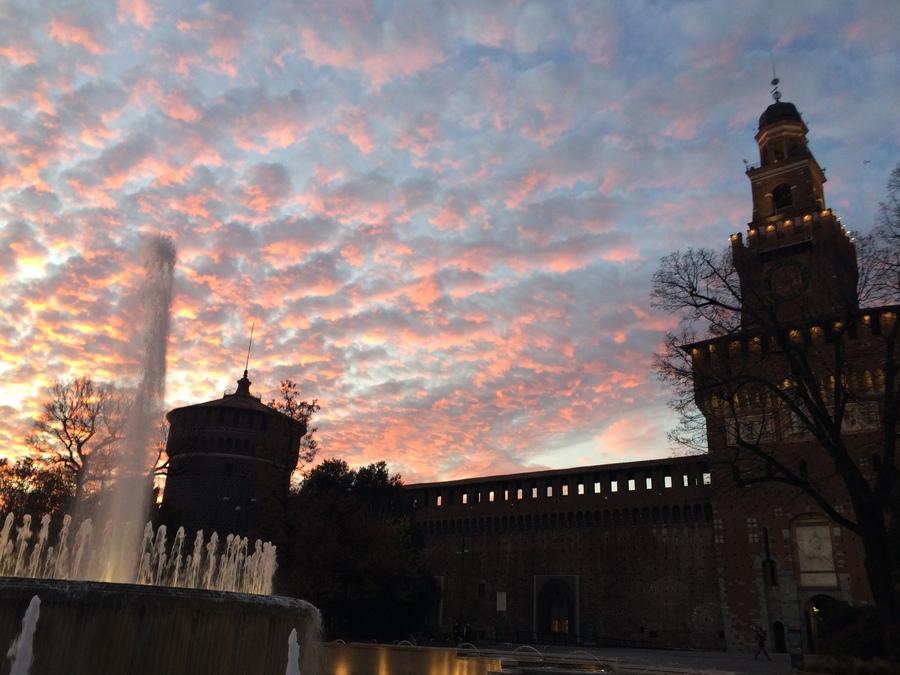
Church of Santa Maria presso San Satiro
From Piazza Duomo you turn onto Via Torino, a busy street full of shops. In a corner, almost hidden, there is a little gem: the Church of Santa Maria presso San Satiro (late 15th century) where Bramante created a trompe-l’oeil, an architectural optical effect to give depth to the choir of the nave. It is a little-known church, and the contrast between the chaos of the street and the silent almost deserted interior is breathtaking.
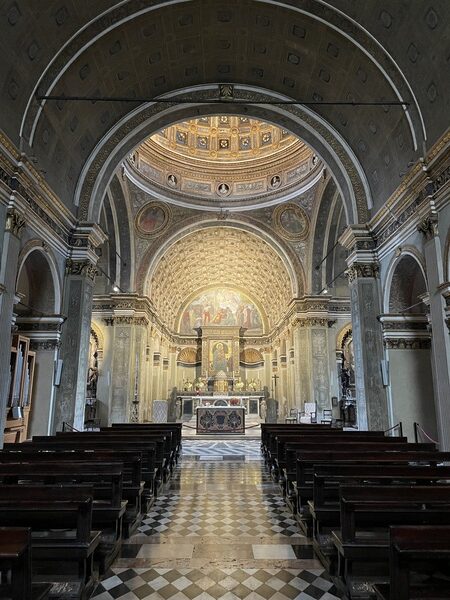
Columns of San Lorenzo
Continuing along Via Torino, you arrive at the Colonne di San Lorenzo. This is a less touristy but very popular spot for the Milanese, especially young people. The columns of San Lorenzo are an ancient construction from the late Roman period; they are located in front of the Basilica of San Lorenzo Maggiore, among the oldest in the city, near the medieval Ticinese gate.
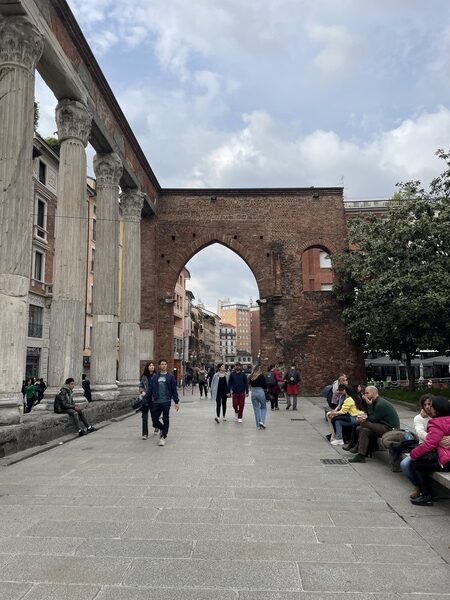
Basilica of Sant’Ambrogio.
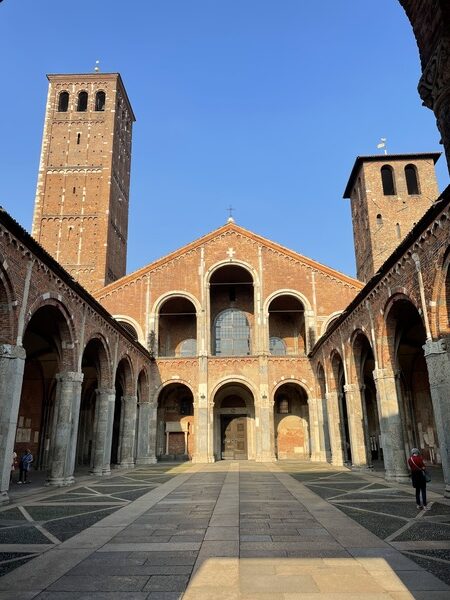
From the Columns of San Lorenzo, if you turn onto Via de Amicis you will find Sant’Ambrogio, one of the oldest churches in Milan. Visiting this basilica, founded by the patron saint of Milan in 379 A.D., is like taking a long journey through time that begins in the 4th century A.D. and ends in the 18th century. Visitors are presented with early Christian remains, vividly colored mosaics from the 9th century, and Renaissance cloisters by Bramante.
Navigli
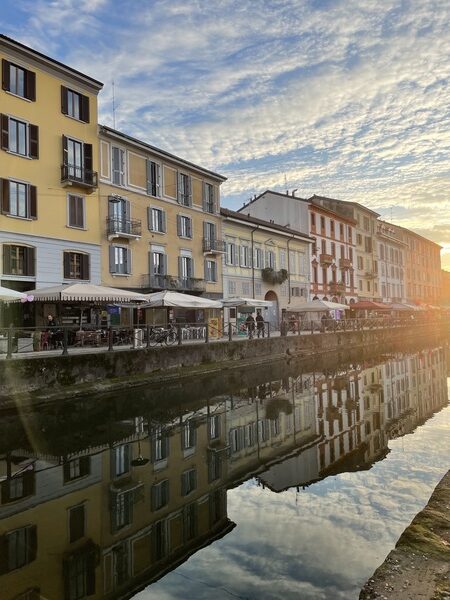
Milan was a “city of water” until the early decades of the twentieth century, when the Navigli were gradually covered over for hygienic reasons and to make way for the increasingly conspicuous land transportation. Only two canals, which were used to transport goods arriving from all over the plains, remain: The Naviglio Grande, which takes water from the Ticino River, and the Naviglio Pavese, which leads to Pavia. There is a third naviglio (the Martesana also known as the Naviglio Piccolo, which connects Milan to the Adda), but it is off-center from the other two. The Navigli is a place rich in history and life. It is possible to take an evocative tour where history, art and technology come together, creating a magic feel: Leonardo’s Locks, the old traditional houses, the famous Vicolo dei Lavandai, the antiques market… Boat rides are organized during the warm season. In the evening, restaurants and clubs welcome tourists and Milanese alike.
GAM Gallery of Modern Art
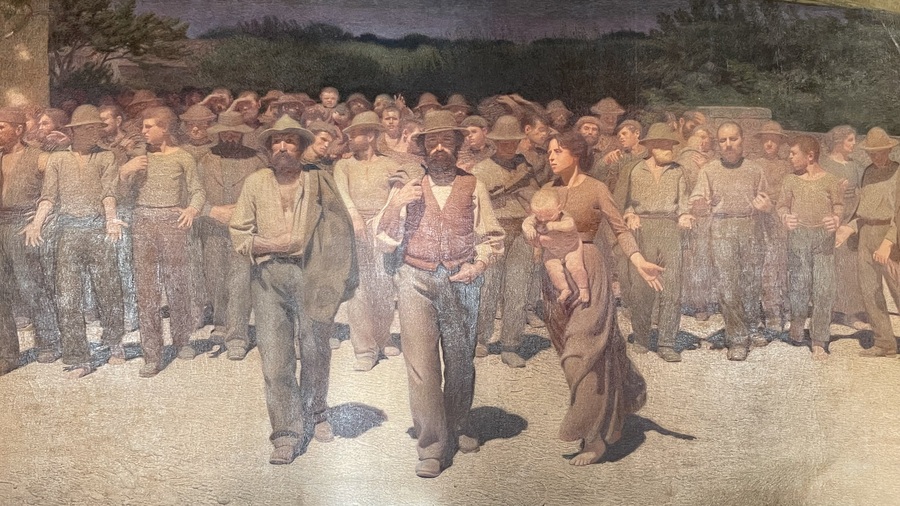
Villa Belgiojoso (now Villa Reale), which housed the Gallery of Modern Art since 1921, is one of Milan’s masterpieces of Neoclassicism. It is Lombardy’s most important collection of 19th- and 20th-century Italian and non-Italian works. Along with masterpieces by Pellizza da Volpedo, Hayez, Segantini, and Balla, we find works by Picasso, Cézanne, Manet, and Van Gogh. There is an important collection of sculptures from Canova to Medardo Rosso. The palace is splendid, and it is framed by a wonderful park frequented by many Milanese.
Fashion Quadrilateral
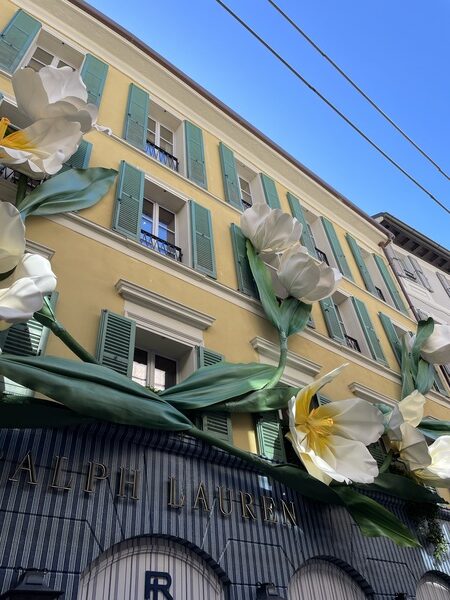
Milan’s world-renowned luxury shopping district. It is so called because it is bounded by four prestigious streets, Via Montenapoleone, Via Manzoni, Via della Spiga and Corso Venezia. The district is composed by the most famous streets, such as via Borgospesso, via Santo Spirito, via Gesù, via Sant’Andrea and via Bagutta. It is the district where the best fashion designers offer their extraordinary creations that attract visitors from all over the world.
Pirelli Hangar Bicocca
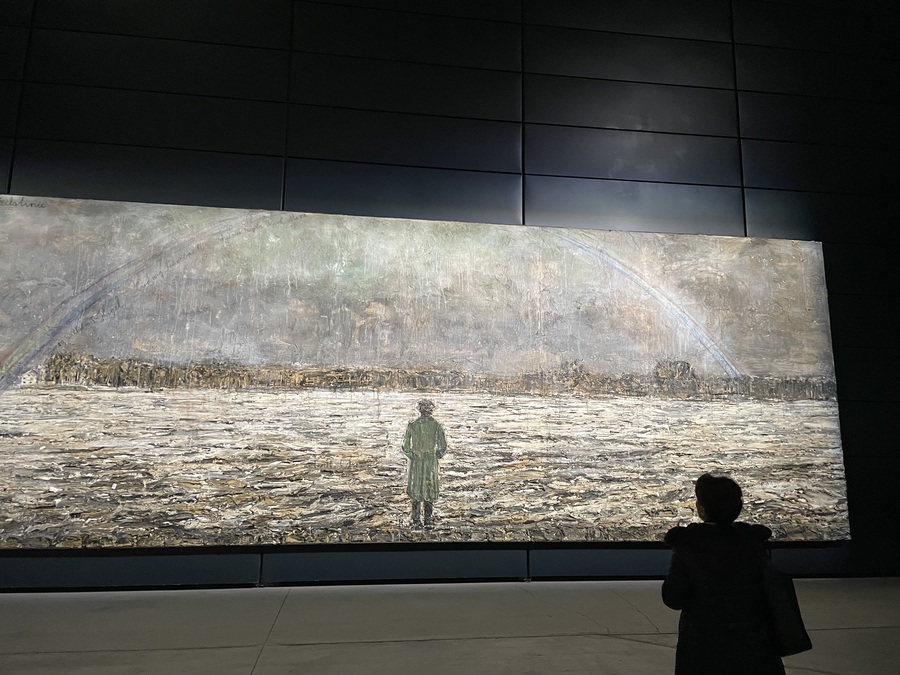
A (former industrial) space dedicated to the production, exhibition and promotion of contemporary art. A must-see is Anselm Kiefer’s permanent installation “The Seven Heavenly Palaces,” seven towers built of reinforced concrete. Five large canvases, included in the 2015 refurbishment, contribute to the reflection on the relationship between man and nature. In addition to the permanent exhibitions, there are also temporary installations.
Prada Foundation
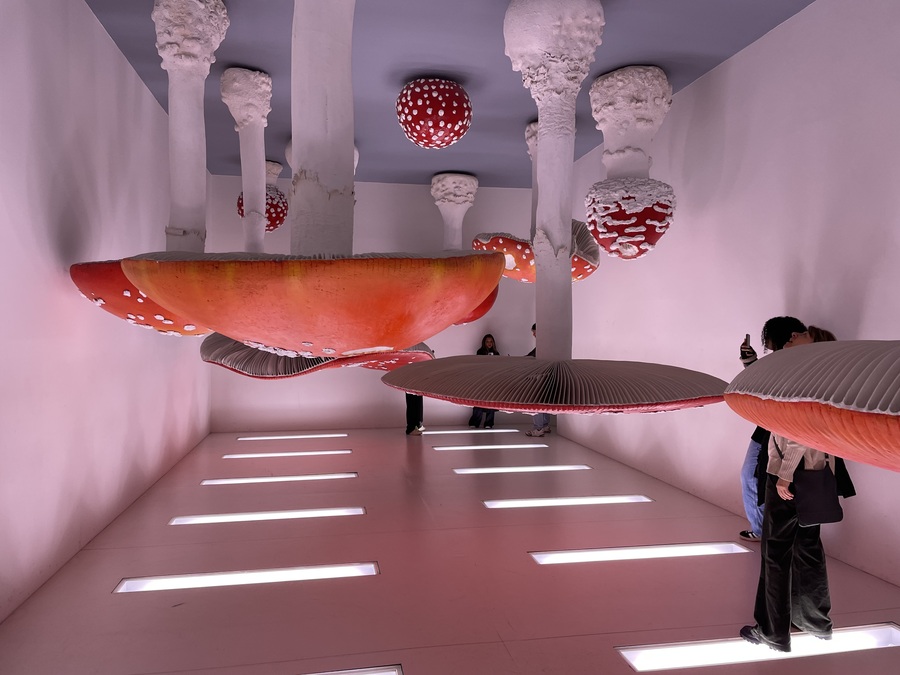
The Milan Prada foundation was opened in 2015 in a former distillery dating back to the 1900s. The exhibition space is worth a visit. The installation Upside Down Mushroom Room by Carsten Höller is famous: in a brightly lit room, giant mushrooms hanging on the walls have a life of their own. The Bar Luce, a little paradise designed by director Wes Anderson, is a cafeteria that recreates the atmosphere of old Milanese cafes with tables, floor and furniture in the style of the 1950s and 1960s Italian design.
Is Milan worth visiting?
Milan is a well-organized city, welcoming and appealing to anyone. It is not necessary to be a art or history lover to enjoy it, but it is not a city that reveals itself immediately. The style of Milan and its elegance resides in its undertones, an unassuming, mysterious and unpretentious aesthetic. This is the reason why you would benefit from having a good guide that would entice you. You feel at ease just strolling around eating an ice cream, mesmerized in front of an anonymous doorway that opens to reveal a wonderful courtyard with plants and mosaics. Milan is a changing city, with an eye on the future: new neighborhoods and new architecture, skyscrapers with the strangest and most innovative shapes. It is a mix of styles that blend harmoniously and amaze the visitor. We move from the chaos of the squares to the silence of the pedestrian streets, from the music in the parks to the sound of an ancient past that stands there … and accompanies us.